At Recovery Keys, the medical disease model forms the foundation of our evidence-based approach to drug and alcohol addiction treatment.
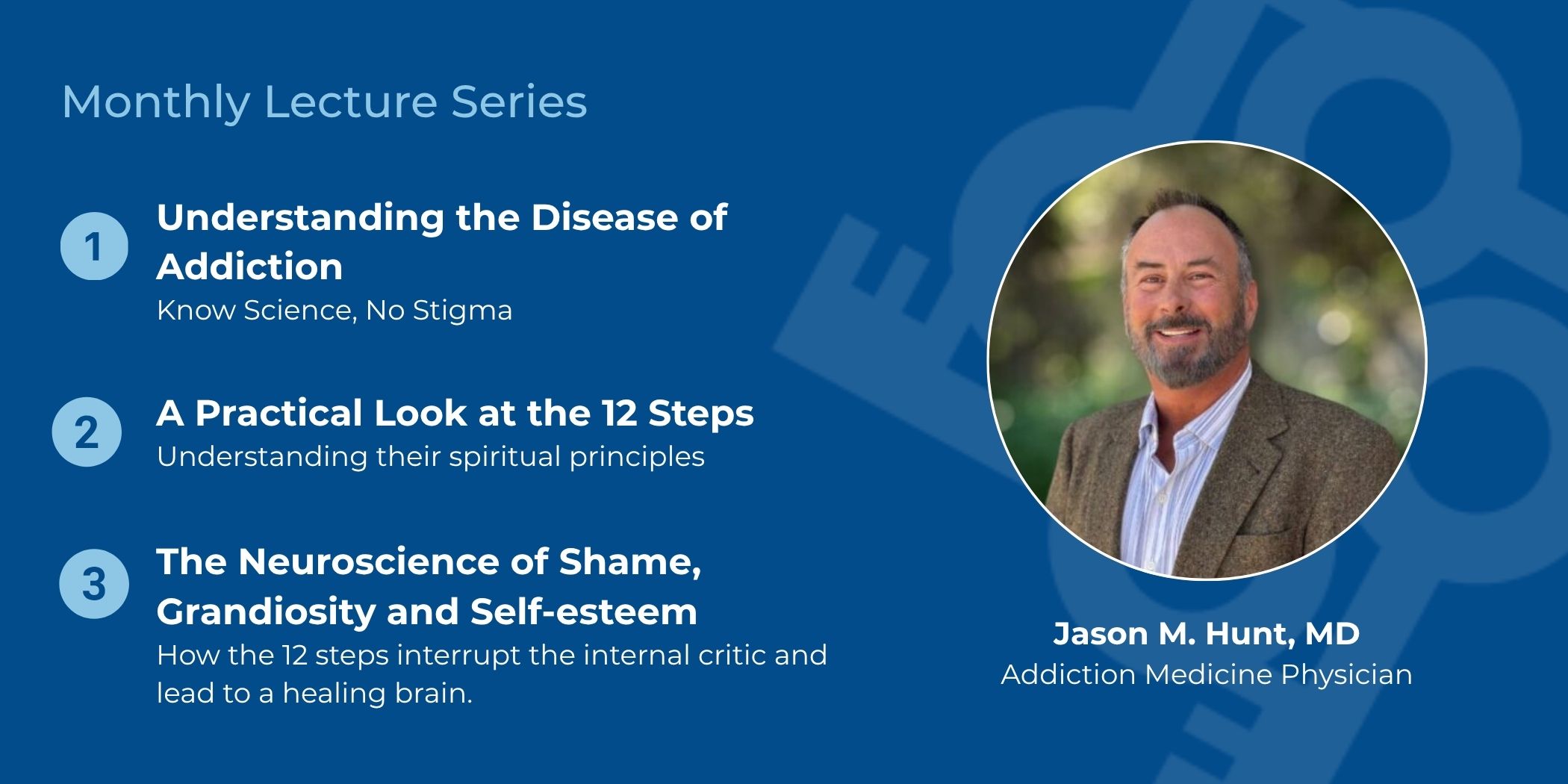
Guided by Jason Hunt, MD and Dr. Jeremy Mirabile, our Medical Director and board-certified addiction medicine physician, we treat addiction as a chronic, manageable disease — not a moral failing. This science-driven framework allows our team to provide compassionate, comprehensive care that helps clients heal physically, mentally, and emotionally.
Medical Disease Model: A Compassionate, Evidence-Based Path to Treatment for Recovery
At Recovery Keys in Ponte Vedra Beach, Florida, we understand that addiction is a complex medical condition that affects the brain, body, and spirit. By treating it through a medical lens rather than a moral one, we help individuals find the care, clarity, and support they need to heal and recover.
Addiction can begin as a way to unwind, to cope, or simply to get through the day. But over time, it changes how the brain and body function, making it increasingly difficult to stop without help.
The medical disease model helps explain why this happens. It provides a framework grounded in science and empathy — one that focuses on evidence-based treatment rather than stigma, and on healing rather than judgment.
Understanding Addiction as a Chronic Disease
Addiction affects far more than behavior — it changes how the brain experiences pleasure, stress, and self-control. Over time, substances begin to take the place of normal rewards, and the person who once felt in control may start to feel trapped by the very thing that once brought relief.
Much like diabetes or heart disease, addiction develops gradually and often silently. It’s a condition that requires consistent care and a compassionate, science-based response. With the right medical and therapeutic support, the brain and body can begin to heal — and lasting recovery becomes possible.
At Recovery Keys, we take this understanding into every stage of care. Our doctors and treatment experts work side by side to treat more than the addiction itself — we focus on the co-occurring diseases and the whole person, helping restore health, purpose, and hope.

The Benefits of the Medical Disease Model
1. Reduces Stigma
Considering addiction as a medical condition helps to minimize the stigma often associated with substance use disorders. This shift encourages people to seek help without fear of being judged, creating space for open conversation and early intervention.
2. Promotes Understanding
Recognizing addiction as a disease deepens our understanding of its complexity, including the biological, psychological, and social factors, all of which influence how a treatment plan is designed. This broader perspective allows for more personalized, effective care.
3. Focuses on Treatment, Not Punishment
The medical model moves away from seeing addiction as a moral issue and toward treatment and rehabilitation. This compassionate approach leads to better outcomes and more meaningful support for individuals and their families.
4. Encourages Evidence-Based Care
By grounding treatment in science, the model supports proven approaches like Medication-Assisted Treatment (MAT), Cognitive Behavioral Therapy (CBT), and other evidence-based interventions. These methods help repair the brain, reduce cravings, and build the skills needed for long-term recovery.
5. Addresses Co-Occurring Disorders
Many individuals with addiction also deal with mental health issues such as anxiety, depression, or trauma. The medical model supports integrated treatment for both conditions, leading to improved overall health and stability.
6. Emphasizes Long-Term Management
Because addiction is a chronic illness, ongoing support and relapse prevention are essential. This model promotes lifelong management and care instead of short-term solutions, which are crucial for preventing relapse and helping individuals sustain recovery and thrive.
7. Utilizes Medical Expertise and Resources
Through the medical model, individuals gain access to physicians, therapists, and recovery specialists trained to treat addiction as a disease. This team-based approach strengthens support networks and ensures care is coordinated and informed.
8. Empowers Recovery
Understanding addiction as a disease empowers people to take control of their recovery. It replaces guilt with knowledge and gives individuals the tools and medical support they need to rebuild their lives with confidence.
A Compassionate Framework for Healing
When addiction is understood as a disease, the approach to recovery starts to change. The conversation moves from “What’s wrong with you?” to “How can we help you get well?”. That shift alone can open doors that once felt closed.
At home and in treatment, that perspective makes space for honesty. Families can talk about what’s really happening without blame, and individuals start to feel supported and see that recovery isn’t something to hide from — it’s something they deserve.
For people looking for drug and alcohol addiction treatment, this approach lays the groundwork for care that feels practical, personal, and rooted in genuine compassion.
Encouraging Early Intervention
Addiction doesn’t appear overnight. It often builds quietly — missed workdays, mood changes, excuses that start to sound familiar. Recognizing those signs early gives people a better chance at turning things around before life becomes unmanageable.
The medical model gives language to what families already sense but sometimes struggle to say out loud.
Grounding Treatment in Science
At Recovery Keys, we provide treatment that is guided by research and experience. Our drug and alcohol addiction treatment programs may include: Medication-Assisted Treatment (MAT), Cognitive Behavioral Therapy (CBT), and trauma-informed approaches that help the brain heal and rebuild healthier habits for daily life.
How we Address Mental Health Alongside Addiction
For many people, substance use and mental health struggles are deeply connected. Depression, anxiety, and trauma can all play a role in addiction. Treating both diseases together leads to steadier progress and a stronger sense of well-being.
Focusing on Long-Term Wellness
Detox is just the beginning. Real recovery takes time, practice, and continued support. The medical model reinforces that ongoing care, relapse prevention, and healthy connections are what turn short-term progress into lasting change.
How the Medical Model Shapes Our Care
Our care starts with understanding your story. We look at what’s been happening medically, emotionally, and socially — and then we build a plan that fits you.
Our programs include:
- Comprehensive Assessments: A full picture of health, history, and life circumstances to tailor treatment.
- Integrated Care: Medical treatment, therapy, and support that work hand-in-hand.
- Personalized Recovery Paths: Whether outpatient, intensive therapy, or extended support, every plan reflects personal goals.
- Aftercare and Relapse Prevention: Continued guidance, therapy, and encouragement that keep recovery strong well after treatment ends.
We know recovery isn’t a straight line. There are ups and downs — and that’s okay. What matters is having a team beside you who understands what you’re facing and believes in your ability to heal.
Healing with Understanding and Hope
When people learn that addiction is a disease, they stop seeing themselves as broken and start seeing themselves as capable of change. Families begin to understand that their loved one’s behavior isn’t about love lost — it’s about illness that needs care.
At Recovery Keys, we meet you where you are, without judgment. We provide evidence-based care for drug addiction, alcohol addiction, and substance abuse throughout Ponte Vedra Beach and Northeast Florida, combining medical treatment with genuine human connection.
Recovery is never easy, but with the right help, it’s possible — and we see it happen every day.